According to the SturNet project (Network for the Preservation of Sturgeon and for the Sustainability of the Black Sea Basin Ecosystem)
🚨 Fuel Oil Spill in the Black Sea: A Threat to Ecosystems and Sturgeon Populations🚨
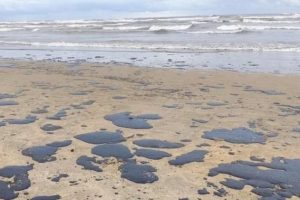
In December 2024, three Russian tankers carrying fuel oil sank in the Kerch Strait. The spill of more than 4,000 tons of fuel oil caused massive water and coastal pollution. Greenpeace warns of severe environmental consequences for the entire Black Sea.
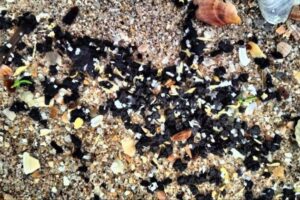
Initially, the fuel oil reached the shores of Anapa, and later, contaminated clumps began appearing along the Ukrainian coastline.
Environmental Impact:
🔸 The most affected areas include the Kerch Strait, the southern and western coasts of Crimea.
🔸 Fuel oil settles on the seabed or washes up onshore with waves, creating additional hazards.
🔸 In January 2025, contaminated fuel oil clumps were discovered along the coast of Odesa Oblast.
🌊 SturNet BSB00172: Why Does It Matter?
SturNet (Network for the Preservation of Sturgeon and for the Sustainability of the Black Sea Basin Ecosystem BSB00172) is an international project uniting scientists, ecologists, government agencies, and local communities to protect sturgeon populations and preserve the Black Sea ecosystem.
In light of this environmental disaster, SturNet is closely monitoring the situation, as the fuel oil spill poses a serious threat to sturgeon habitats and their already declining population.
🐟 Why Are Sturgeons at Risk?
Sturgeons are native to the Black Sea and are listed in the Red Book of Ukraine, yet their population is rapidly declining due to:
🔹 Water pollution – toxic substances enter the food chain.
🔹 Habitat destruction – sturgeons spawn on clean riverbeds, which may now be covered with oil residues.
🔹 Juvenile poisoning – sturgeon larvae and young fish are highly sensitive to even minimal concentrations of petroleum products.
🛑 What Is the Current Situation?
According to the State Environmental Inspectorate of Ukraine, the Ukrainian Center for Marine Ecology, the Institute of Marine Biology, and the Odesa Regional Center for Health Monitoring:
🔹 No critical exceedances of petroleum product concentrations have been recorded in the Black Sea waters near Odesa, but monitoring continues.
🔹 Dangerous fuel oil clumps have been discovered along the coast of Odesa Oblast (Lymanska, Tuzlivska, and Serhiivska hromadas).
🔹 Monitoring of the fuel oil spill in the Black Sea is ongoing. The situation remains under the control of government authorities and research institutions.